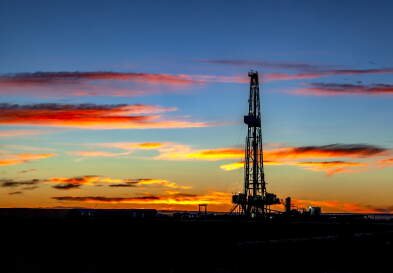
It is common knowledge that the war with Iran has restricted global crude oil supplies. Crude oil prices have risen, but not as much as was widely predicted.
Why time, oil flows and bypass capacity may be changing the outcome of confrontation with Iran.
It is time for the UNC Kenan-Flagler Energy Center’s mission statement to evolve.
Monday June 15 broke with the news of an announced deal among the U.S. and Iran.
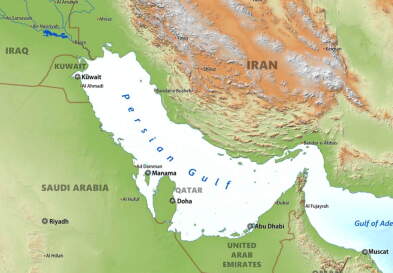
Confusion reigns as to how the immediate situation in the Persian Gulf will play out.
One week into the joint US-Israeli strike on Iran’s regime, there have been numerous articles listing all the risks President Trump is taking and all the things that could go wrong. Without implying that these risks don’t exist, I’d like to put them in context.
It is an era of unprecedented events in U.S. foreign policy, from the bombing of Iran’s nuclear facilities through the snatching of Venezuelan dictator Nicholas Maduro to the public pushing and shoving with NATO allies over Greenland.
It is difficult to remember how things looked for the Energy Transition just twelve months ago. In August 2024, the US was in the midst of a close-run presidential race.
The twelve-day Israeli campaign against Iran’s nuclear and other facilities has paused for the moment. Damage assessments of various sorts are underway.
Energy Transition advocates and climate activists can be forgiven for feeling pessimistic. With the election of President Trump, it seems that many signal achievements are now under threat.
Every spring CERAWeek comes to Houston. This gathering of the prominent and mighty of the oil & gas industry is widely associated with the figure of Daniel Yergin, co-founder of Cambridge Energy Research Associates and the CERAWeek.
This moment is surprisingly serene. Navigating the interregnum from a surprisingly peaceful U.S. presidential election to the inauguration of Donald Trump, the moment seems more calm than turbulent.
A study by the Frank Hawkins Kenan Institute of Private Enterprise and the Kenan-Flagler Energy Center analyzes the cost of achieving fully decarbonized utility-scale electricity, focusing on replacing baseload power with renewable energy using five financial and energy models.
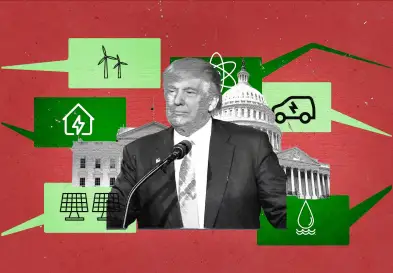
Looking beyond partisan headlines, this analysis explored how Trump's second term might actually accelerate decarbonization through and 'All of the Above' energy approach - Director's Blog XV by Stephen V. Arbogast
It was no surprise in the wake of President Trump's reelection that his energy policy was quickly outlined as "Drill Baby Drill."
This website uses cookies and similar technologies to understand visitor experiences. By using this website, you consent to UNC-Chapel Hill's cookie usage in accordance with their Privacy Notice.