Perspectives
An overview of climate tech by Byron Kelly
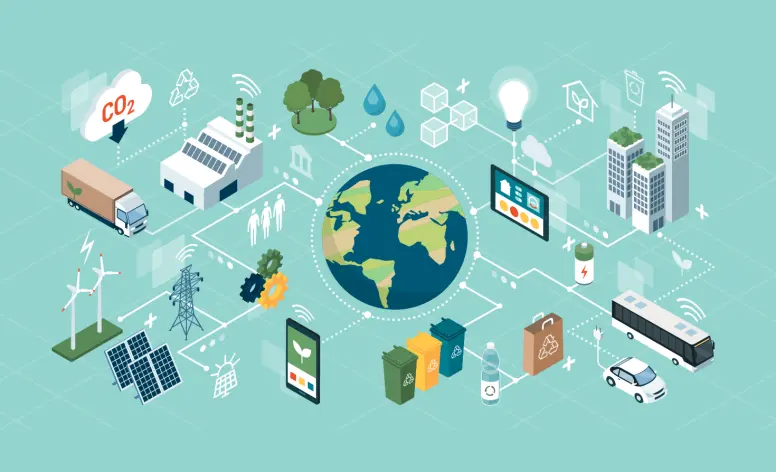
The Industrial Revolution transformed the global landscape, driving economic growth and societal progress for centuries. Today, we stand on the cusp of another transformative era, fueled not by steam and coal, but by a new wave of innovation: Climate Tech.
This rapidly evolving field isn’t just about mitigating environmental concerns; it’s about unlocking a $2.5 trillion annual market opportunity by 20301. Imagine cleaner, more efficient industries, resilient infrastructure, and millions of green jobs – that’s the power of Climate Tech, and its impact on our future goes far beyond the next few decades. It’s about building a sustainable and prosperous world for generations to come.
Climate Tech tackles two crucial challenges: decarbonizing difficult-to-change sectors and cleaning up existing fossil fuel infrastructure. Sectors like steel and cement are notorious for their high emissions, and Climate Tech offers innovative solutions to reduce their carbon footprint.
Additionally, while renewable energy sources are increasingly prominent, petroleum-based power generation will continue to play a role in the near term. Climate Tech steps in here, providing solutions to decarbonize this existing infrastructure and ensure a smoother transition to a cleaner future.
In this article, we will look at the key trends and drivers of the Climate Tech boom, three key areas promising meaningful impact, and highlight a few companies that are at the forefront of each. We will end our discussion by considering the challenges new technologies encounter in the market. Ultimately, Climate Tech is a young but growing market, and will need more collaboration, diversity, data, and education among different stakeholders to realize its potential for creating positive change and value.