Perspectives
Equiti Foods: Reimagining Health, One Good Bowl at a Time
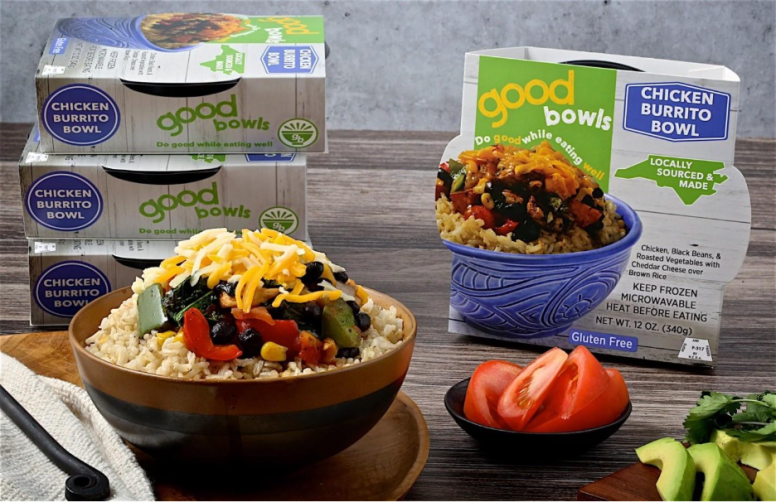
How do we tackle the challenges of food insecurity without having to rely on temporary fixes?
A solution to a problem as vast as food insecurity rarely arrives in a single, brilliant flash. For Dr. Alice Ammerman (UNC Gillings School of Global Public Health), it seems to have been unearthed slowly, cultivated over years spent in the trenches of public health research. The data pointed toward a simple, profound truth: a community’s health could begin with something as humble and fundamental as a single good bowl.

The Path to Nutrition
Alice’s passion for nutrition was sparked by something grim. It started with an early encounter with inequities in the access to food-related products in African countries, such as infant formula, where heavy marketing encouraged mothers to abandon breastfeeding for formula that was both expensive to purchase and paired with limited access to clean water.
“I originally majored in African studies,” she recalls. “But seeing how malnutrition, market exploitation and global food systems collided –it sent me down a path I never left.”
From Research to Real-World Application
Before the launch of Equiti Foods, Dr. Alice Ammerman spent years conducting research on chronic disease prevention in low-income and marginalized communities across the Southeastern United States. Through her work at the UNC Center for Health Promotion and Disease Prevention, she and her colleagues developed the Med-South Lifestyle Program, –a culturally tailored version of the Mediterranean diet specifically designed to fit the food preferences and realities of the American South.
The Med-South approach is rooted in strong evidence for supporting chronic disease prevention, backed by studies linking the Mediterranean diet to improved outcomes for obesity, diabetes and cardiovascular health.
Despite the success of her grant-funded programs, Alice faced major hurdles.
“It felt like we were reinventing the wheel, again and again, just to watch it disappear when funding ran out.”
Eager to see her work implemented in a more sustainable and impactful way, Alice turned to entrepreneurship and founded Equiti Foods to bring the Med-South model to life beyond academia.
A For-Profit With Purpose
While some questioned the ethics of a public health professor turning entrepreneur, Alice leaned into the discomfort. The decision that led to a for-profit business meant:
- Less dependency on donations or short-term grants
- Eligibility for a wider range of business and government funding
- Ability to make demand-driven decisions quickly
“There’s this myth that nonprofits are always good and for-profits are always bad,” she said. “But what matters is the approach and the impact, not the legal structure.”

Sourcing
Equiti Foods works with BIPOC and local farmers. They collaborate to:
- Use as much locally grown food as possible in Good Bowls.
- Support the use of environmentally friendly agricultural practices.
- Use Grade B (“Cosmetically challenged produce”) which reduces food waste and helps farmers sell produce that would otherwise not have a market.

Major Partnerships
- Healthy Opportunities Pilot (HOP): In 2023, Equiti Foods became a major provider for North Carolina’s Medicaid-funded program, delivering 2,500 meals a week to the coastal region. Meals were reimbursed at $7.60 each–no retail markup, no middleman. Unfortunately, this program was terminated recently by the NC legislature despite evidence of reduced health care costs and hospitalizations.
- UNC Hospitals and Rams Market: Partnerships that bring Good Bowls to campus and hospital settings.
- Nourished RX: Equiti Foods is looking at new models, such as Nourished RX, that build on the notion that “Food is Medicine
.”. It is increasingly recognized by the medical community and insurance companies that investing in a healthy diet can prevent much more costly health care problems later. One example of this is that hospitals are now incentivized to make sure that patients with diet-related diagnoses have access to healthy food after discharge. If the patient is readmitted within 30 days, there are financial penalties for the hospital.
Strengthening Indigenous Food Systems in Robeson County
One of Equiti Foods’ collaborations has taken place in Robeson County, NC, which is home to the Lumbee Tribe, one of the largest Native American tribes in North Carolina. Despite its rich agricultural heritage, Robeson is one of the poorest counties in the state, facing ongoing food insecurity and poor health outcomes.
Alice has worked with community organizations and farmers for years, including a Lumbee farmer who won North Carolina’s Small Farmer Award. Recently, he received a grant for a mobile market and reached out to Alice to explore ways to stock it with fresh, locally grown produce. Together, they’ve tested Native American–inspired recipe bowls using his crops, which have been well-received by the community.
The vision is to:
- Source produce from Lumbee and other small farmers.
- Prepare culturally relevant, nutritious bowls in Equiti Foods’ kitchen.
- Potentially distribute through the mobile market to reach residents directly.
The current challenge is securing sustainable funding. With the loss of the HOP program–a key revenue source–the Equiti Foods team is exploring options such as philanthropy, income transfer models (higher-income catering to subsidize low-income meals) and partnerships with hospitals and donors. Their recently launched non-profit, the Food Equity Collaborative, is opening new opportunities for partnerships and funding.
A Bold Pivot
In 2025, the Healthy Opportunities Pilot (HOP) program abruptly ended.
“We had no choice but to pivot fast,” Alice said. “It was a financial shock, but also a wake-up call.”
The team quickly pivoted:
- Piloting catering services for higher-income clients to subsidize meals for underserved communities
- Exploring philanthropic funding to diversify revenue streams
- Expanding partnerships in the food-is-medicine space

Advice and Reflection
Alice draws inspiration from the late Greg Dees, often called the father of social entrepreneurship: Don’t be limited by the funding you have now. Be bold. Take risks.
She adds her own twist, quoting Ms. Frizzle from The Magic School Bus, “Take chances, make mistakes, get messy.”
In a world that often throws curveballs, Equiti Foods is unapologetically navigating policy shifts, market pressures, and community needs while staying committed to its mission: providing fresh, great-tasting, nutritious meals to underserved communities while recognizing cultural preferences.
And their most cherished customer feedback?
“It doesn’t even taste healthy.”
Learn more about Equiti Foods: Good Bowls and the Food Equity Collaborative
Photos courtesy of Equiti Foods
Author: Cenisario Cano